Bookkeeping Clean-Up
When Your Records Need More Than Updating
Sometimes bookkeeping records are already in place, but they do not accurately reflect what has happened in the business.
Transactions may have been entered incorrectly, duplicated or allocated to the wrong categories. Bank balances may not agree with the accounting software, VAT records may be unclear, or unresolved issues may have continued from one accounting period to another.
Unlike Catch-Up Bookkeeping, which focuses mainly on bookkeeping that should already have been completed but has not yet been processed, Bookkeeping Clean-Up focuses on reviewing and correcting information that is already recorded within the accounting system.
Our Bookkeeping Clean-Up service is designed to identify the areas that need attention, make appropriate corrections where possible and create a more accurate and reliable starting point for future bookkeeping.
What Is Bookkeeping Clean-Up?
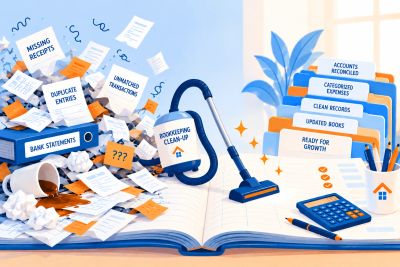
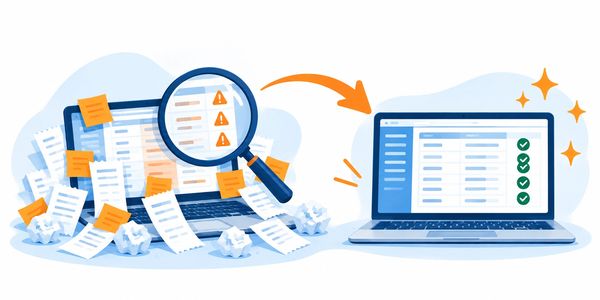
Bookkeeping clean-up involves reviewing and correcting records that are incomplete, inaccurate, duplicated or disorganised.
You may have been entering transactions yourself, using accounting software without suitable support or working with records that have not been properly checked for some time.
The aim is not simply to enter more transactions. It is to understand what has gone wrong, make appropriate corrections and improve the overall quality of your bookkeeping records.
Bookkeeping Clean-Up Is Different From Catch-Up Bookkeeping
Catch-Up Bookkeeping and Bookkeeping Clean-Up solve different problems.
Catch-Up Bookkeeping is for bookkeeping that should already have been completed but has not yet been processed — for example, several weeks or months of transactions, invoices or receipts waiting to be entered.
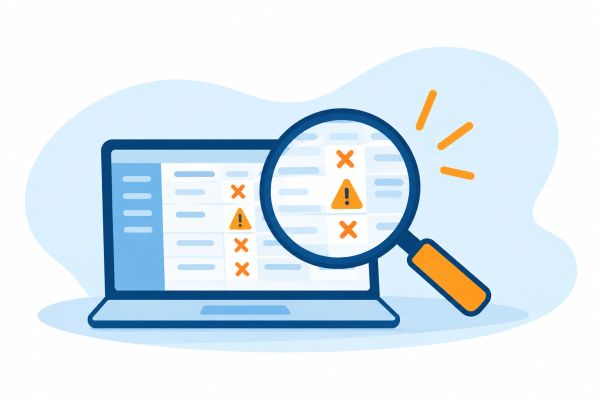
Bookkeeping Clean-Up is for records that have already been entered but contain errors, inconsistencies or unexplained balances that need to be investigated and corrected.
Sometimes both services are needed. For example, existing records may first need to be cleaned up before outstanding bookkeeping can be brought fully up to date.

We Start by Understanding the Problem
Every clean-up project is different.
We begin by discussing:
- how your bookkeeping has been managed;
- which accounting software or records you use;
- when the problems may have started;
- whether VAT returns or accounts have already been submitted;
- which periods need to be reviewed;
- whether your accountant has raised any concerns; and
- what you need the corrected records for.
This helps us understand the purpose and likely scope of the clean-up.

We Review Your Existing Records
We review the information available within your accounting system and compare it with relevant supporting records.
Depending on the work required, this may include reviewing:
- bank and credit-card accounts;
- bank reconciliations;
- sales invoices and customer balances;
- purchase invoices and supplier balances;
- income and expense categories;
- VAT codes and VAT transactions;
- payments received and made;
- opening balances;
- personal or director-related transactions; and
- reports from earlier accounting periods.
The review helps us identify errors, inconsistencies and areas where further information may be required.

We Agree the Scope Before the Clean-Up Begins
After the initial review, we will explain what we have found and what work we recommend.
The agreed scope may cover a particular account, VAT period, accounting period or a wider section of the bookkeeping records.
Where possible, we will also explain:
- which records need correcting;
- what additional information is required;
- whether earlier periods may be affected;
- whether input from your accountant may be needed;
- the likely timescale; and
- how the work will be priced.
If we discover additional issues while completing the work, we will discuss them with you before significantly extending the agreed scope.

Information We May Need From You
To complete the clean-up, we may ask you to provide:
- business bank and credit-card statements;
- sales invoices and purchase invoices;
- receipts and other evidence of expenses;
- your most recently submitted Self Assessment tax return, where applicable;
- copies of submitted VAT returns and supporting VAT calculations, where applicable;
- previous year-end accounts or other relevant tax information;
- details of personal payments or money introduced into the business;
- explanations for unusual or unclear transactions;
- access to your accounting software;
- information supplied by your accountant or previous bookkeeper; and
- any correspondence identifying errors or concerns within the records.
We may also need information relating to earlier accounting or VAT periods if the problems began before the period currently being reviewed.
Providing complete information helps us compare the bookkeeping records with previously submitted figures, investigate differences and make corrections supported by appropriate evidence.

We Identify Questions as We Work
Some transactions cannot be corrected accurately without your input.
Rather than guessing, we will raise questions where information is missing or where the purpose of a transaction is unclear.
Where practical, we will group questions together and explain what we need from you. Your knowledge of the business is important because you may recognise customers, suppliers and payments that cannot be identified from the transaction description alone.
Working together helps us create records that are both more accurate and easier to understand.
We Correct and Reorganise the Records
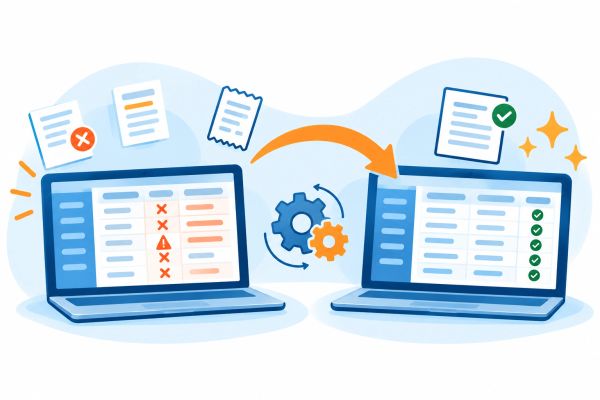
Once the available information has been reviewed, we make the agreed corrections within the accounting records.
Depending on the issues identified, this may include:
- removing or correcting duplicate entries;
- correcting incorrectly categorised transactions;
- matching payments to the correct invoices or bills;
- correcting bank reconciliation differences;
- reviewing old customer and supplier balances;
- separating personal and business transactions;
- correcting VAT treatment where appropriate;
- reorganising account categories;
- correcting opening balances where suitable evidence is available; and
- documenting unresolved items that require further action.
Corrections will be based on the information and evidence available. We will not change entries simply to make a balance disappear without understanding the reason for the difference.
VAT and Previously Submitted Information
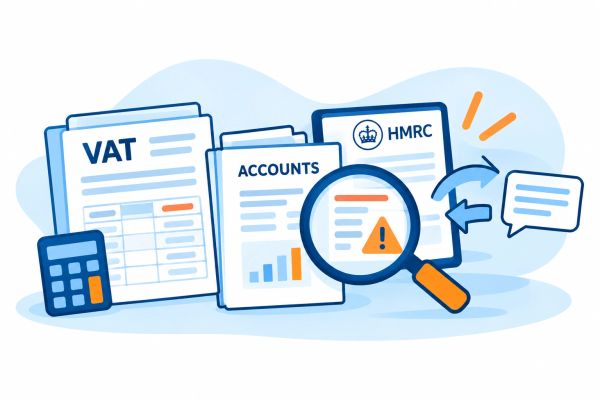
If the clean-up identifies an issue affecting a VAT return, previous accounts or information already submitted to HMRC, this may require additional review.
We will explain the issue and the information identified from the bookkeeping records. Depending on the circumstances, further work or professional advice may be required before any correction is made.
We will not automatically amend or resubmit previously filed information unless this has been specifically agreed and is within the scope of the service.
What If Some Information Is Missing?
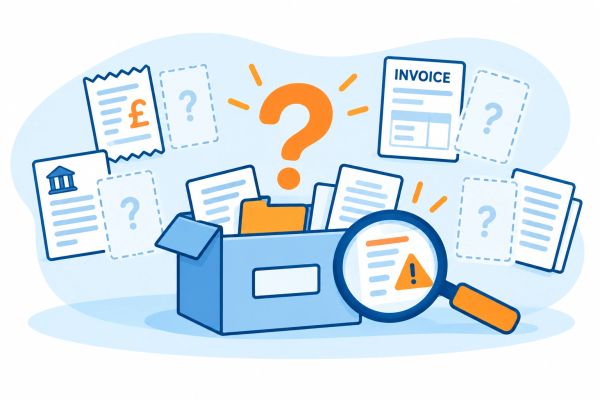
Older bookkeeping problems can be difficult to resolve when receipts, invoices, statements or explanations are no longer available.
We will use the available records to investigate the issue and will ask you for further information where necessary. However, we will not invent information or make unsupported assumptions.
If an item cannot be resolved, we will clearly identify it and explain what information is missing. This allows you or your accountant to decide what further action may be appropriate.
Your Records Support Other Accounting Obligations
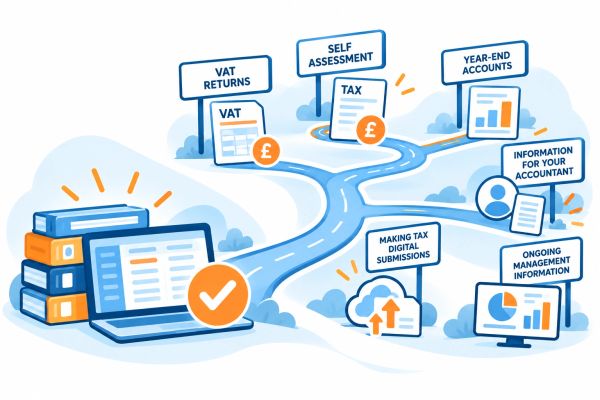
Accurate bookkeeping records provide the foundation for other accounting and tax work.
Cleaned-up records may support the preparation of:
- VAT returns;
- Self Assessment tax returns;
- year-end accounts;
- information for your accountant;
- Making Tax Digital submissions; and
- ongoing management information.
Correcting bookkeeping problems before these obligations are prepared can reduce confusion and help ensure that the information is based on more reliable records.

A Clearer Picture of Your Business
When bookkeeping records contain errors or unexplained balances, it can be difficult to understand how the business is performing.
A completed clean-up can help you:
- understand the balances shown in your accounting software;
- see income and expenses more clearly;
- obtain more meaningful financial reports;
- identify outstanding customer or supplier balances;
- monitor VAT and other potential liabilities;
- make decisions using more reliable information; and
- move forward with a clearer bookkeeping position.
Good bookkeeping should provide useful information about your business, not create further uncertainty.
Creating a Better System for the Future
The clean-up is only one part of improving your bookkeeping.
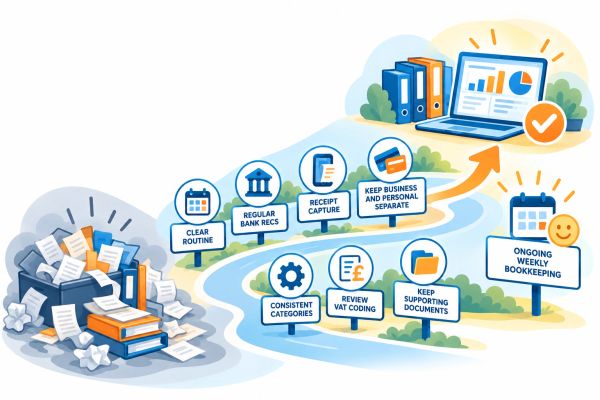
Once the records have been corrected, we can help identify practical changes to reduce the risk of the same problems happening again. These may include:
- establishing a clearer bookkeeping routine;
- completing bank reconciliations regularly;
- using receipt-capture software;
- keeping business and personal spending separate;
- applying consistent transaction categories;
- reviewing VAT coding; and
- maintaining the supporting documents needed for your records.
After the clean-up, we can also offer to continue managing your bookkeeping on an ongoing basis. Where appropriate and suitable for your business, we prefer to complete bookkeeping weekly. This helps keep the records current, identify questions sooner and reduce the risk of errors or another backlog developing.
The aim is to leave you with more organised records and a bookkeeping process that is easier to maintain—whether you continue managing it yourself or choose ongoing support from IPA Bookkeeping & Accounting Ltd.

Bookkeeping Works Best as a Partnership
We will bring bookkeeping knowledge, organisation and a structured approach to the clean-up.
You bring an understanding of your business and the transactions that have taken place.
We may need you to answer questions, provide documents and explain payments that are not clear from the records. Timely responses help us complete the work accurately and prevent the clean-up from being delayed.
By working together, we can establish what happened, correct the records where possible and create a better foundation for the future.
After the Clean-Up
Once the agreed work is complete, we will explain:
- what has been reviewed;
- which corrections have been made;
- whether any items remain unresolved;
- whether further action is recommended; and
- how the records can be maintained going forward.
You may choose to manage the bookkeeping yourself after the clean-up, arrange ongoing support with us or provide the updated records to your accountant.